TL;DR
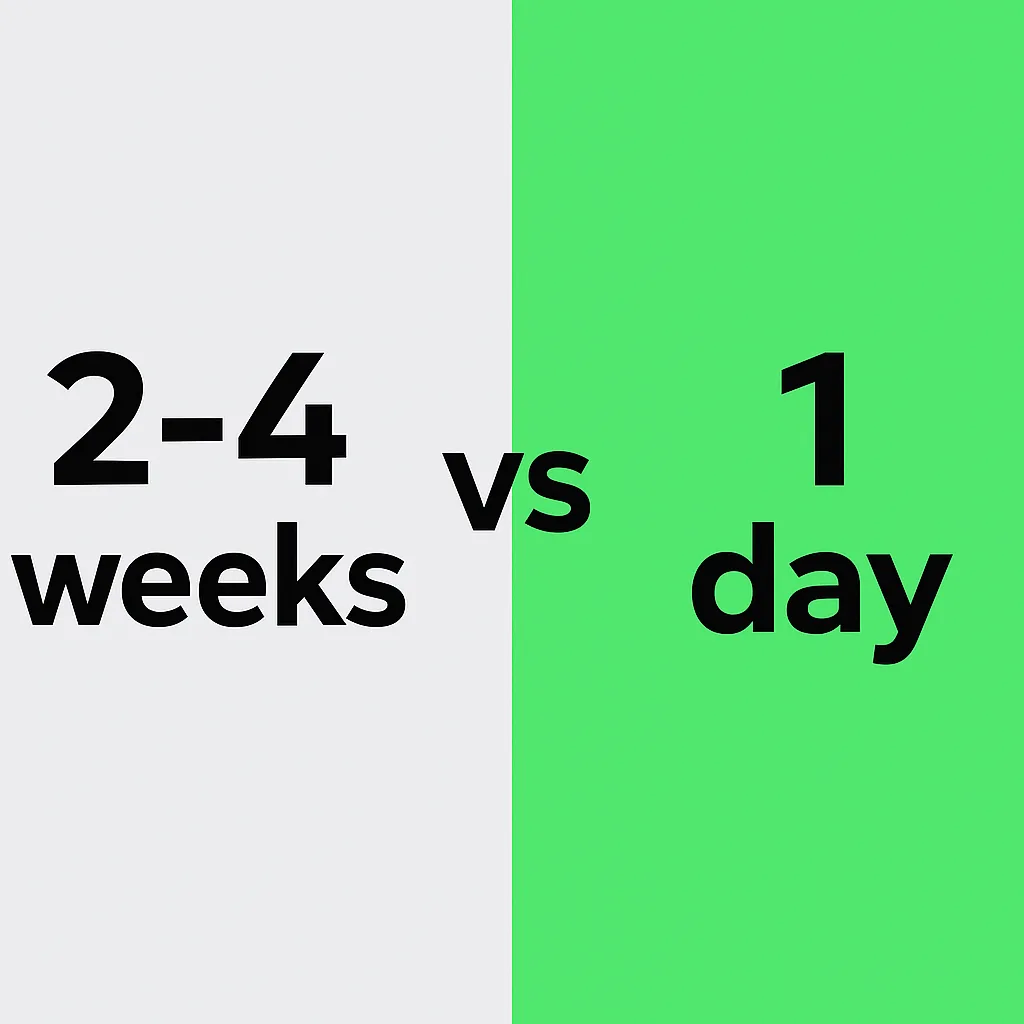
Traditional custom orthotics meant plaster casts sent to a specialized lab, a 2–4 week wait, costs around $300–600 a pair, and results that varied with technician skill. 3D printing and digital design change that on three axes: accessibility, time, and consistency. Foot data is captured by scanning, photogrammetry, or pressure mapping; algorithms generate the geometry; a printer produces a pair in hours — often the same day, from a desktop FDM machine using TPU.
Separating design from manufacturing lets local clinics match lab-grade output and iterate the next day, not the next month. Ergono3D sits on the custom-design side: guided inputs and parametric design generate a printable STL — a design tool, not a diagnosis or treatment.
Key takeaways
- The old process was slow and uneven. Lab fabrication took 2–4 weeks, cost roughly $300–600 a pair, concentrated in cities, and varied by technician interpretation.
- Digital capture compresses the timeline. Scanning, photogrammetry, or pressure mapping feeds algorithmic design; a printer produces a pair in hours, often same-day.
- Design separates from manufacturing. Biomechanical intelligence lives in software, so a rural clinic with a scanner and printer can match a major lab's output.
- Iteration becomes practical. A tweak-and-reprint next day replaces a multi-week cycle, making experimentation and refinement affordable.
- It amplifies clinicians, not replaces them. Clinicians still assess and decide. Ergono3D delivers the custom side via guided inputs (no scanner needed) and parametric design — a design tool, not a diagnosis or treatment.
For most of the 20th century, getting custom orthotic insoles followed a predictable but cumbersome path. You'd visit a podiatrist or orthotist, who would create a physical impression of your foot — typically using plaster casting, foam boxes, or a pressure-sensitive mat. This impression would be sent to a specialized laboratory, where skilled technicians would hand-craft your insoles over several days or weeks. The shift from manual craftsmanship to digital tools has enabled automated insole design workflows with consistent results.
The traditional process and its limitations.
Traditional custom insole manufacturing required significant infrastructure — specialized labs, trained technicians, expensive equipment — and concentrated access in major cities.
Accessibility challenges
The first limitation is accessibility. Traditional custom insole manufacturing requires specialized labs, trained technicians, and expensive equipment for molding and shaping materials. This infrastructure tends to concentrate in major cities, leaving rural or underserved areas without easy access. Even in urban settings, the process is expensive — traditional clinic-made custom orthotics commonly cost around $300–$600 per pair, putting them out of reach for many people who could benefit from them.
Time constraints
The second limitation is time. From initial consultation to receiving finished insoles usually takes 2–4 weeks. For someone in pain, that's 2–4 weeks of continued discomfort. For clinicians managing patient care, it's 2–4 weeks of uncertainty about whether the solution will work. The delay also makes iteration difficult — if the first design isn't quite right, you're looking at another multi-week cycle to get adjustments.
Consistency issues
The third limitation is consistency. Traditional manufacturing relies heavily on technician skill and interpretation. Two different labs receiving the same foot impression might produce noticeably different results based on how each technician interprets the data and applies their craft. This variability makes it harder to achieve predictable outcomes or replicate successful designs.
Most people, facing these barriers, simply settle for off-the-shelf insoles — better than nothing, but like trying to correct vision problems with drugstore reading glasses when what you really need are prescription lenses fitted to your specific visual requirements.
The digital manufacturing shift.
3D printing fundamentally changes the economics and logistics of custom insole production — separating design expertise from manufacturing execution, and making same-day delivery practical.
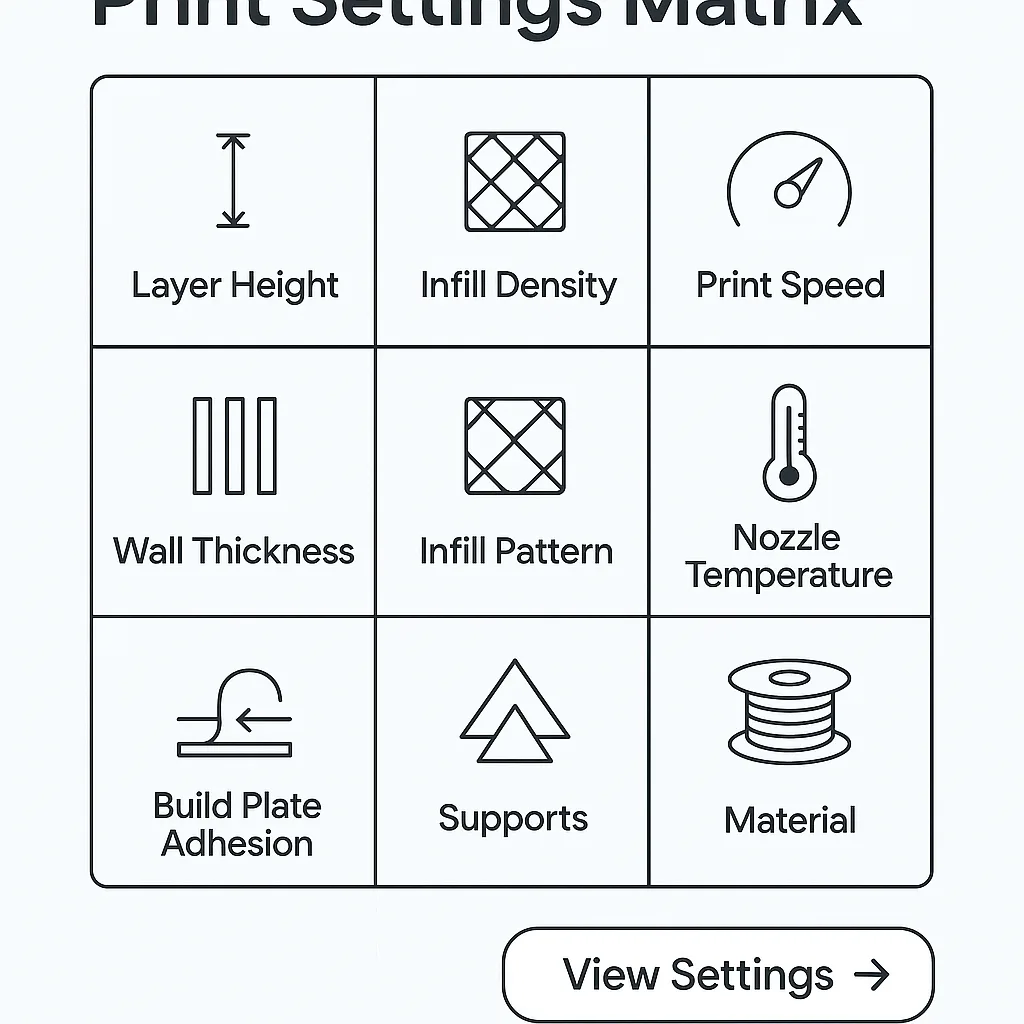
The process starts with digital foot data capture — either through 3D scanning, smartphone photogrammetry, or pressure mapping systems. Within minutes, you have a detailed digital model of foot geometry and pressure distribution. This data feeds into algorithmic design systems that generate custom insole geometries optimized for specific biomechanical needs. The design file goes directly to a 3D printer. Modern printers can produce a pair of custom insoles in a few hours using materials such as TPU that are well suited to orthotic use. The whole process, from data capture to finished product, can happen in a single day.
Separating design from manufacturing
This isn't just faster; it's fundamentally different. The biomechanical intelligence lives in software algorithms developed by experts in gait analysis and orthotic design. Once that intelligence is encoded, it can be applied consistently anywhere there's a 3D printer. A small clinic in a rural area can produce custom geometry comparable to a major urban orthotic lab's, without the lab's specialized equipment.
Practical iteration
If the first design needs adjustment, the clinician can modify parameters and print a new version the next day, not the next month. This rapid feedback loop improves outcomes and patient satisfaction. It also enables experimentation — trying different support levels or material properties becomes feasible rather than prohibitively expensive.
Democratized access
The cost structure shifts dramatically. Traditional manufacturing has high per-unit costs driven by skilled labor and specialized equipment. 3D printing has relatively fixed equipment costs but much lower per-unit costs — mainly just material and machine time. As 3D printer prices continue to fall, the break-even point drops lower: a workflow that once meant a full lab of specialized equipment can now run on a single desktop FDM printer. These systems rely on parametric insole design to ensure repeatable and scalable production.
Who benefits?
The accessibility shift matters differently for clinicians, patients, athletes, and new service models — but it matters for all of them.
Healthcare providers
Clinicians — physical therapists, podiatrists, sports medicine practitioners — can offer custom orthotic services without outsourcing to labs or maintaining expensive in-house manufacturing capabilities. The technology doesn't replace their clinical expertise; it amplifies it. They still assess the patient, interpret biomechanical data, and make treatment decisions. But they can implement those decisions immediately rather than waiting weeks for a lab to execute their prescription.
People underserved by traditional labs
For people who currently can't easily access or afford custom orthotics — because the nearest lab is far away, the wait is long, or the cost is high — a faster, lower-cost workflow widens access. Instead of waiting weeks, they can have a print-ready design the same day. Instead of paying the full cost of a clinic-made orthotic that might not be quite right the first time, a 3D-printed workflow can deliver custom geometry at a lower cost, with easier iteration if adjustments are needed. For any specific medical condition, that assessment belongs with a qualified clinician.
Athletes and active individuals
For athletes and active individuals seeking performance optimization rather than injury treatment, the technology makes custom insoles practical where they previously weren't. A runner with minor gait inefficiencies might benefit from custom support, but the traditional cost and hassle weren't justified unless they had actual pain. With faster, more affordable options, preventive and performance-focused customization becomes viable for broader populations.
New service models
The constraints that previously limited custom orthotics to specialized clinical settings disappear. Pharmacies could offer same-day custom insoles, physical therapy clinics could integrate orthotic design into rehabilitation programs, athletic stores could provide gait analysis and custom insoles as part of the shoe-buying experience, and mobile clinics could serve remote communities with a scanner, laptop, and printer.
The core advantage: data-driven precision.
Beyond speed and accessibility, computational design offers something traditional methods struggle with: the ability to process complex biomechanical data consistently and optimize for specific outcomes. When a skilled technician crafts an insole by hand, they're applying their experience and intuition to create something that "looks right" and "feels right." It's craftsmanship, and it often works well.
But algorithmic design can incorporate pressure distribution data, gait analysis metrics, clinical guidelines for specific conditions, and material property calculations — all consistently, across every design. The algorithm doesn't get tired, doesn't have off days, and applies the same logic regardless of caseload. As these computational methods mature, automated designs can become more refined and more consistent over time.
Looking forward.
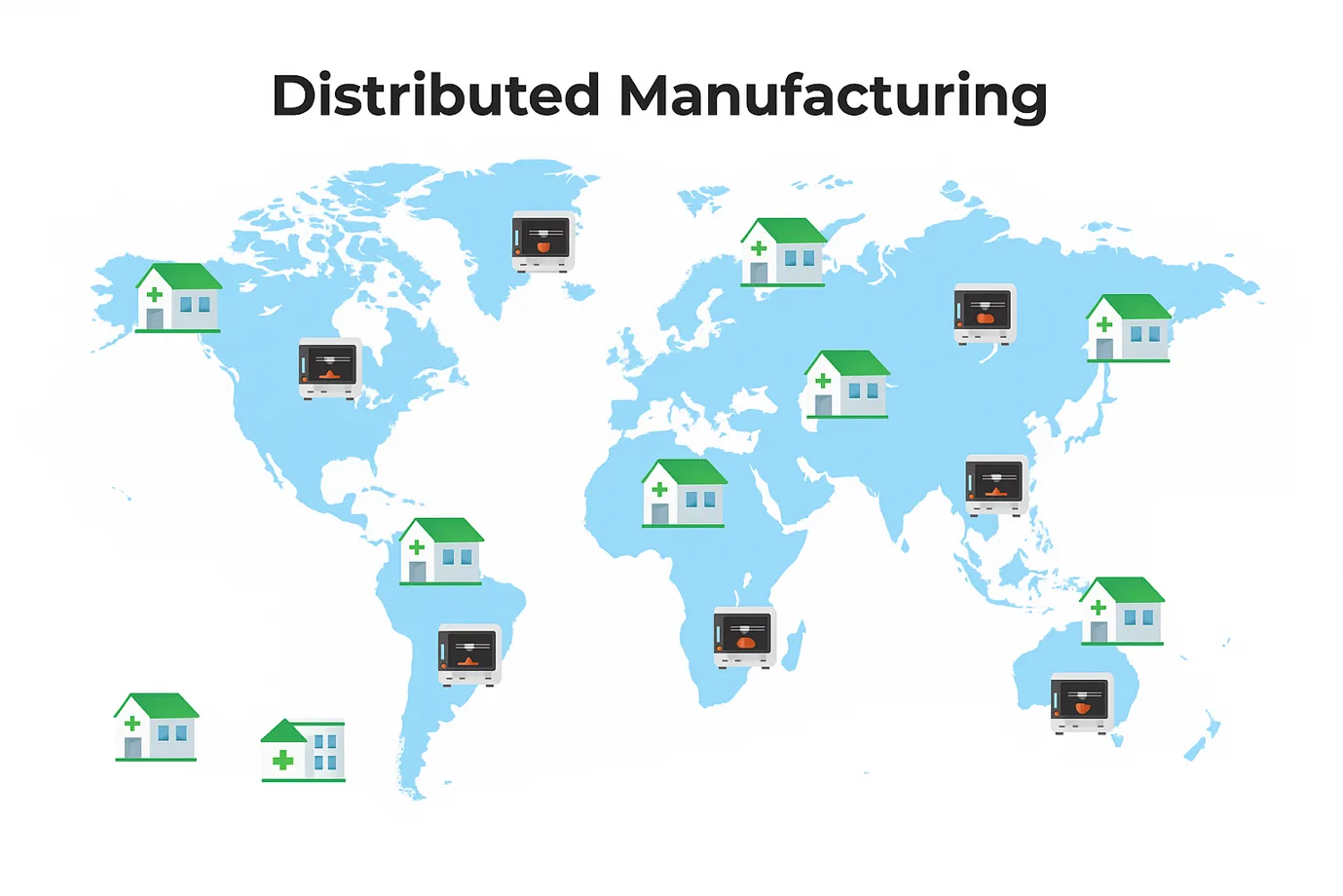
The trajectory is clear: custom insole manufacturing is moving from labor-intensive craft production to digitally-driven distributed manufacturing. Faster turnaround (days become hours), broader accessibility (specialized labs become local clinics), lower costs, and consistent quality through automated optimization — these benefits align with how healthcare is evolving more broadly toward personalized medicine and point-of-care solutions.
Hybrid approaches
This doesn't mean traditional orthotic labs will disappear. Many will adopt hybrid approaches, using digital scanning and design tools while maintaining hand-finishing capabilities for complex cases. Others will specialize in extremely customized solutions that still benefit from artisan expertise. But for the majority of custom insole needs, the future looks increasingly digital.
The promise of democratization
The real promise isn't just better technology — it's the democratization of effective foot care. When custom orthotics were expensive and hard to access, they remained a specialized solution for people with significant problems. As the technology makes them faster and more affordable to produce, they can become a standard part of preventive and wellness-focused healthcare. Not everyone needs custom insoles, but many more people could benefit from them than currently have access. That's the shift digital manufacturing enables — from exclusive, reactive treatment to inclusive, preventive care.
Common questions about digital insole manufacturing.
How long did traditional custom orthotics take to make?
From initial consultation to receiving finished insoles usually takes 2–4 weeks with traditional manufacturing. The delay also makes iteration difficult — if the first design isn't quite right, you're looking at another multi-week cycle to get adjustments.
Why were traditional custom orthotics so expensive and hard to access?
Traditional custom insole manufacturing requires specialized labs, trained technicians, and expensive equipment for molding and shaping materials. This infrastructure tends to concentrate in major cities, leaving rural or underserved areas without easy access, and traditional clinic-made custom orthotics commonly cost around $300–$600 per pair.
How fast can 3D-printed custom insoles be produced?
The process starts with digital foot data capture through 3D scanning, smartphone photogrammetry, or pressure mapping. Modern printers can produce a pair of custom insoles in a few hours using materials such as TPU, and the whole process, from data capture to finished product, can happen in a single day.
Can you 3D print custom insoles on a regular desktop printer?
Increasingly, yes. A workflow that once meant a full lab of specialized equipment can now run on a single desktop FDM printer, which can produce a pair of custom insoles in a few hours from a material such as TPU. The capability that still matters is the design step: the insole has to be generated from real foot data through parametric design, so the arch, heel cup and posting fit the individual rather than being a generic shape.
Does digital manufacturing replace the clinician?
No. The technology doesn't replace clinical expertise; it amplifies it. Clinicians still assess the patient, interpret biomechanical data, and make treatment decisions — but they can implement those decisions immediately rather than waiting weeks for a lab to execute their prescription.
Design custom insoles with parametric control and export the STL for printing. Free preview — 5 credits, no card required.